
7 Signs Your Engineering Programme is Drifting (And what to do about it)
Published by Fred Warner, Founder of 7Q Ltd
Most engineering programmes don’t fail suddenly. They drift.
Progress continues. Teams stay busy. Reports show movement. From the outside, everything appears to be working as expected.
That’s what makes drift so dangerous.
In complex engineering environments, particularly those spanning R&D, product development and multiple technical teams, there is usually enough activity to create confidence even when alignment is already starting to slip.
By the time the problem becomes visible through missed deadlines, rising costs or disappointing outcomes, a significant amount of value has already been lost. In most cases, the warning signs were there much earlier. Nobody recognised them for what they were.
And despite what many organisations assume, this is rarely a technology problem. More often, it is a planning and alignment problem. The work continues, but the connection between what people are doing and the value they are supposed to be creating becomes weaker over time.
Quick links:
What “Drift” actually means
When people talk about programme drift, they often describe it as delay, poor execution or a project that has simply gone off track.
In reality, it’s usually much more subtle than that. Drift happens when the work continues, but the alignment behind it starts to weaken.
The programme still looks active. Teams are delivering work. Updates are being shared. Progress is being reported. Nothing appears to be obviously wrong.
That’s why it often goes unnoticed.
The real test is what happens when you ask a few simple questions:
- Why are we doing this
- What are we delivering
- Where does it apply
- How will it be executed
- Who is accountable
- When will it be delivered
- How much is being committed
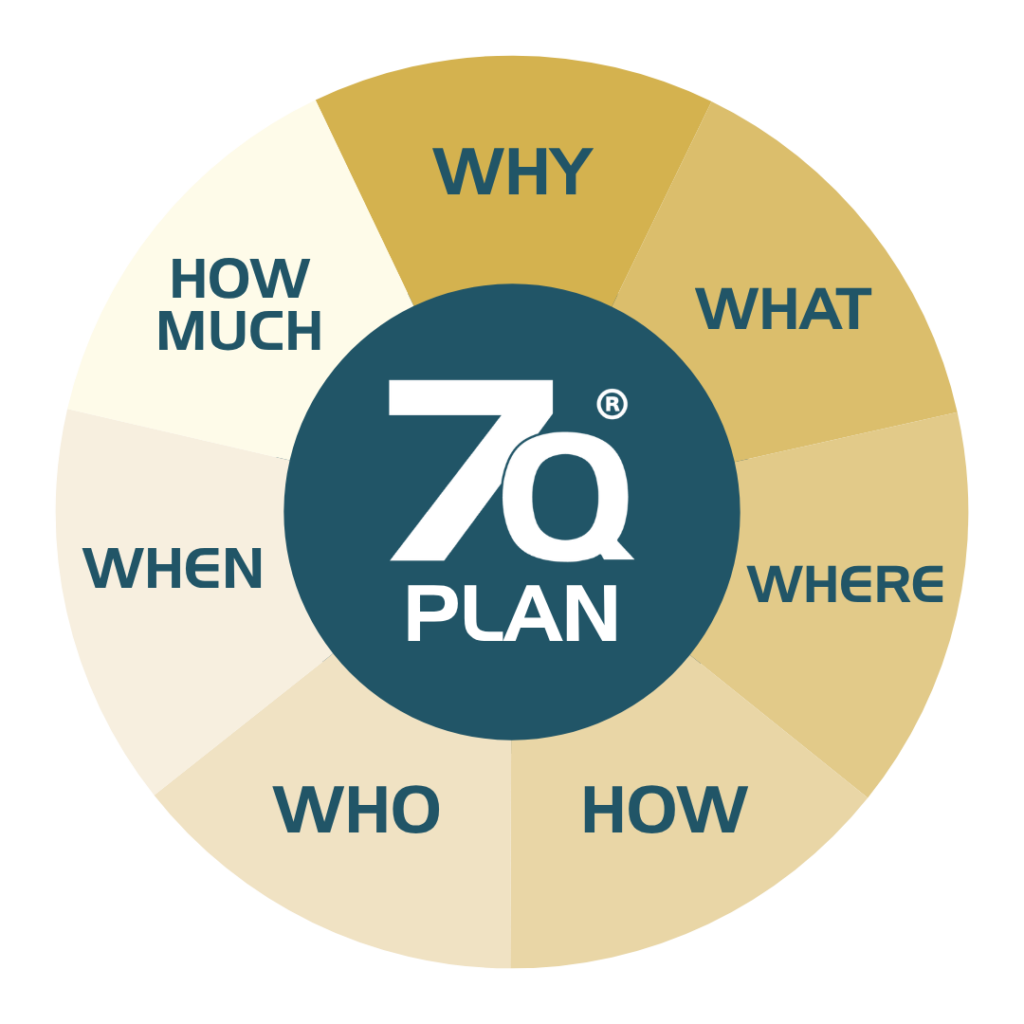
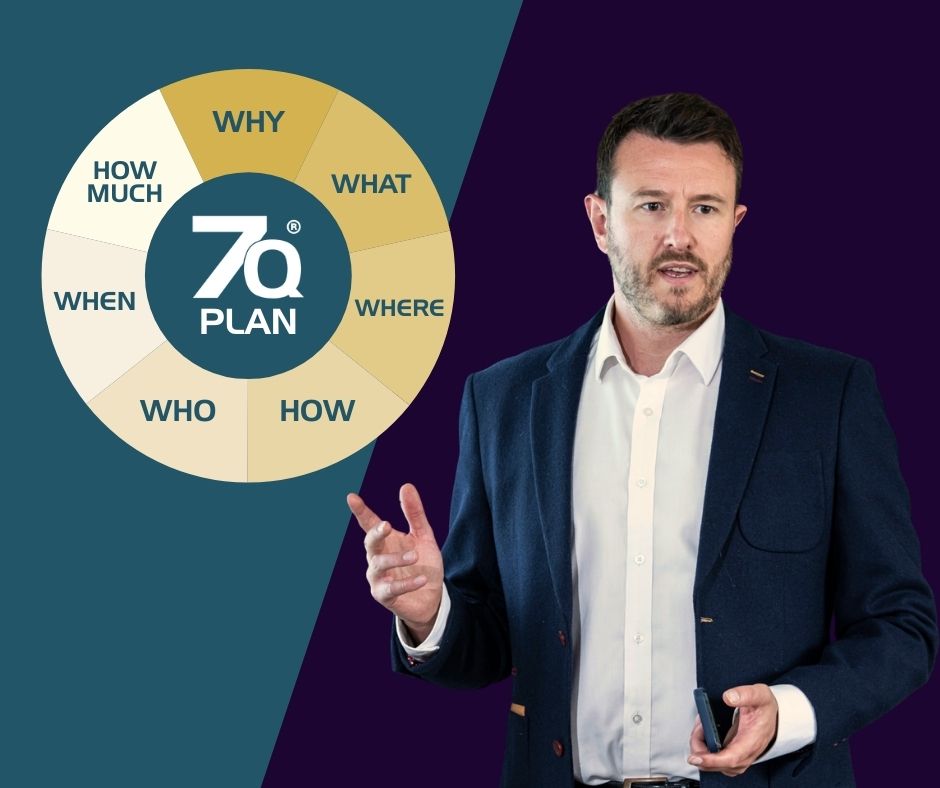
At 7Q, these seven questions are treated as the foundations of any plan. If those answers are not clear and consistent, the programme is not really under control, even if activity levels remain high.
Most programmes can answer parts of these questions. The problem is that different teams often give different answers. Engineering sees one picture. Commercial teams see another. Leadership sees something slightly different again.
That is usually where drift begins.
Teams are still working hard, but they are no longer working from the same shared understanding of the plan.
Why engineering programmes drift
Programmes rarely drift because of one major failure. If they did, they would be much easier to fix.
More often, drift develops gradually as the fundamentals become less well managed:
- The original purpose becomes less clear.
- Scope expands but expectations remain unchanged.
- Ownership becomes blurred across teams.
- Timelines stay fixed even as complexity increases.
- Costs continue to rise without a clear link back to value.
Individually, these are manageable issues. Together, they create something much more dangerous: a slow loss of alignment.
People start working to different assumptions. Decisions are made in isolation. Teams remain busy, but not necessarily aligned.
The programme is still moving. The question is whether it is still moving towards the outcome it was originally created to achieve.
Example: Product Development Programme
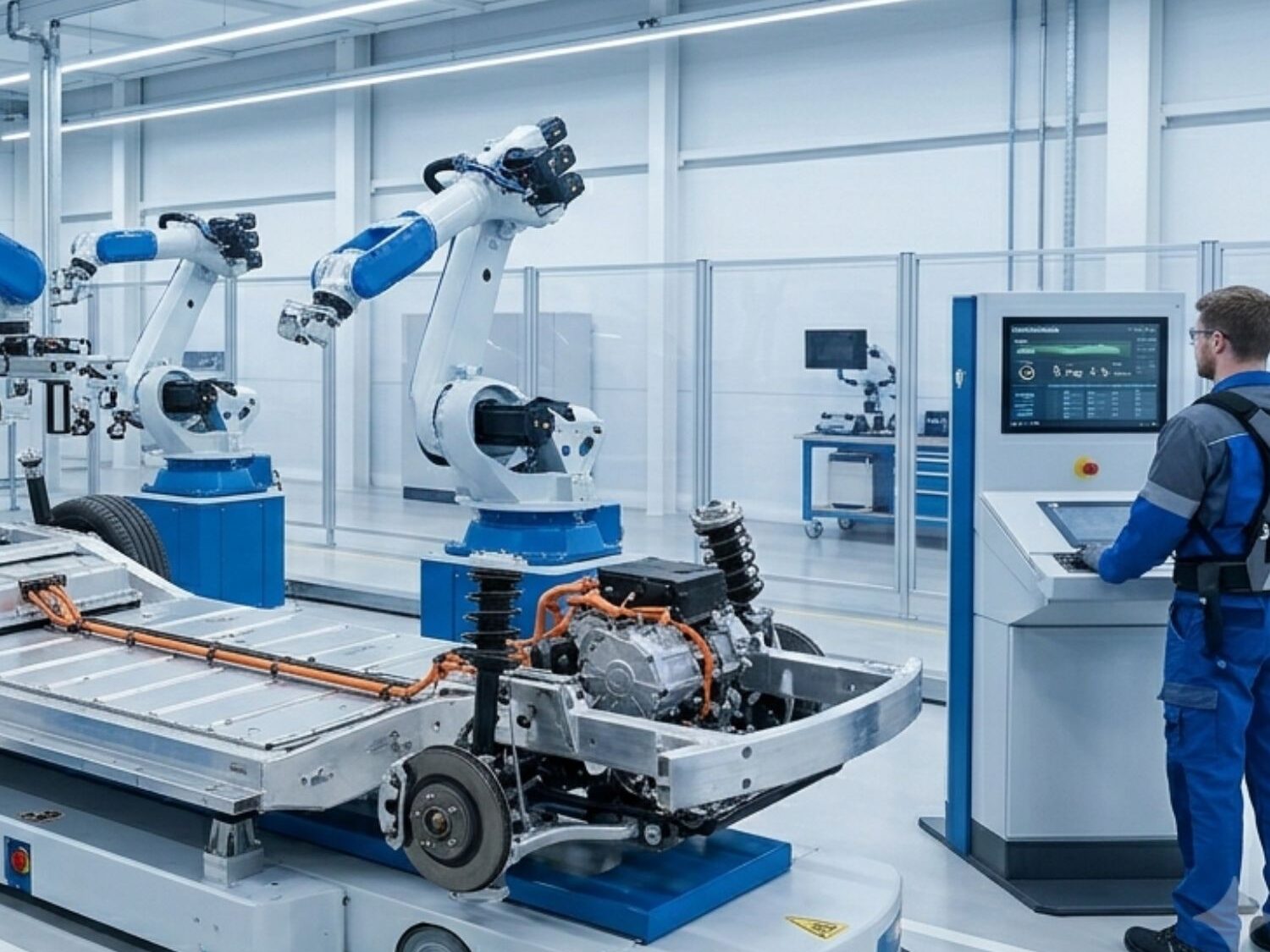
Take an automotive business developing a new electric vehicle platform.
At the start, the plan is clear. Launch in three years, hit a target price point, deliver a defined margin. Engineering is underway across battery, drivetrain, software, and integration.
Six to nine months in, progress still looks strong. Reviews are being passed. Prototypes are being built.
Underneath that, the plan is already breaking.
Battery targets are tightened without resetting timelines. Software scope expands. Teams continue working to different assumptions. Integration is pushed later, because everything else feels more urgent.
Nothing has obviously failed, so the programme continues. The problem only becomes visible during integration and testing.
Systems do not come together. Performance targets are missed. Dependencies appear that were never planned for. Fixes introduce new issues. Timelines slip, but only in increments.
By the time it is recognised as a problem, the programme has already moved too far in the wrong direction.
Launch is delayed. Cost increases materially. Engineering effort ramps up, but it becomes less clear what outcome it is actually driving.

The response is usually to work harder.
What actually works is an intervention and resetting of the plan. Clarifying the outcome, removing non-essential scope, aligning teams to one version of delivery, and rebuilding timelines based on how integration will really be achieved.
Some features are cut. Some work is stopped. Only then does the programme start moving forward again in a controlled way.
If the above example sounds familiar, it’s because most programme drift follows a similar pattern.
The details vary. The symptoms don’t.
The good news is that drift rarely appears without warning. Long before delivery dates slip or budgets come under pressure, there are usually signs that alignment is starting to break down.
Here are seven of the most common.
7 signs your engineering programme is drifting
1. Progress is reported, but it is unclear what has actually been achieved
There is regular reporting on activity, yet it is difficult to tie that activity back to a defined outcome.
This often shows up in engineering projects that continue to move forward without a clear link to what they are meant to deliver. Progress exists, but it is not always meaningful.
2. The scope moves, but the end goal stays the same
Changes to scope, priorities, or timelines are treated as adjustments, while expectations around outcome remain unchanged.
This creates a misalignment between what has been planned and what can realistically be delivered under the same assumptions. Over time, this is a common driver of product development delays.
3. There is no single version of the truth
Different teams describe progress in different ways. Engineering, commercial teams, and leadership are often working with slightly different pictures of reality, and the version that reaches the board is usually a simplified or blended view.
This is often described as a communication issue, but in practice it is more about governance.
If there is no single, shared view of reality, decisions are being made on partial information. Over time, that creates misalignment in priorities, risk, and expectations.
4. Everything is positioned as a priority
Multiple projects compete for the same resources, each presented as essential.
In practice, this leads to:
- Diluted focus
- Slower progress
- Limited challenge on where time and capital are best used
Prioritisation exists formally, but not in how work is actually carried out across development programmes.

5. Issues are identified late in the process
Problems tend to surface later than they should, often during integration, validation, or testing phases, when the cost and impact of resolving them is significantly higher.
By that point, the programme is no longer choosing from a full set of options. It is reacting.
This is rarely just bad luck. It usually reflects a lack of clarity in how delivery was expected to work in the first place.
6. Accountability is unclear
Responsibility for delivery is shared or loosely defined.
When something moves off course, it is not clear who is accountable for addressing it. That lack of clarity slows decisions and allows problems to persist longer than they should.
7. Technical progress does not clearly connect to business outcomes
Engineering activity continues through design, development, testing, meaning progress can be demonstrated in technical terms.
What is less clear is how that activity translates into revenue, margin, or valuation.
This is where organisations begin to realise that significant effort and cost have been committed without a clear link to the value the programme was meant to deliver.

The Impact of Programme Drift on the Business
Programme drift is often treated as an operational issue, but the impact is broader. What starts as a delivery issue quickly becomes a business issue.
The first signs are usually familiar enough: product development delays, engineering projects running over budget and R&D programmes that fail to deliver the outcomes that justified the investment in the first place. But these are symptoms, not the problem itself.
The real impact is felt across the business:
- Revenue is delayed because products reach the market later than planned.
- Costs increase as issues are discovered and corrected further downstream.
- Confidence falls at board and investor level as delivery becomes less predictable.
- Business value is eroded as risk becomes more visible and outcomes become less certain.
A significant portion of the impact sits in work that continues longer than it should. Time and capital are committed to activity that is no longer clearly aligned to the original purpose.
What to do about programme drift
Organisations often respond to these issues by increasing reporting or adding more oversight. But that rarely solves the problem.
Drift is not caused by a lack of reporting. It is caused by a lack of clarity and consistency in how the programme is defined and managed.
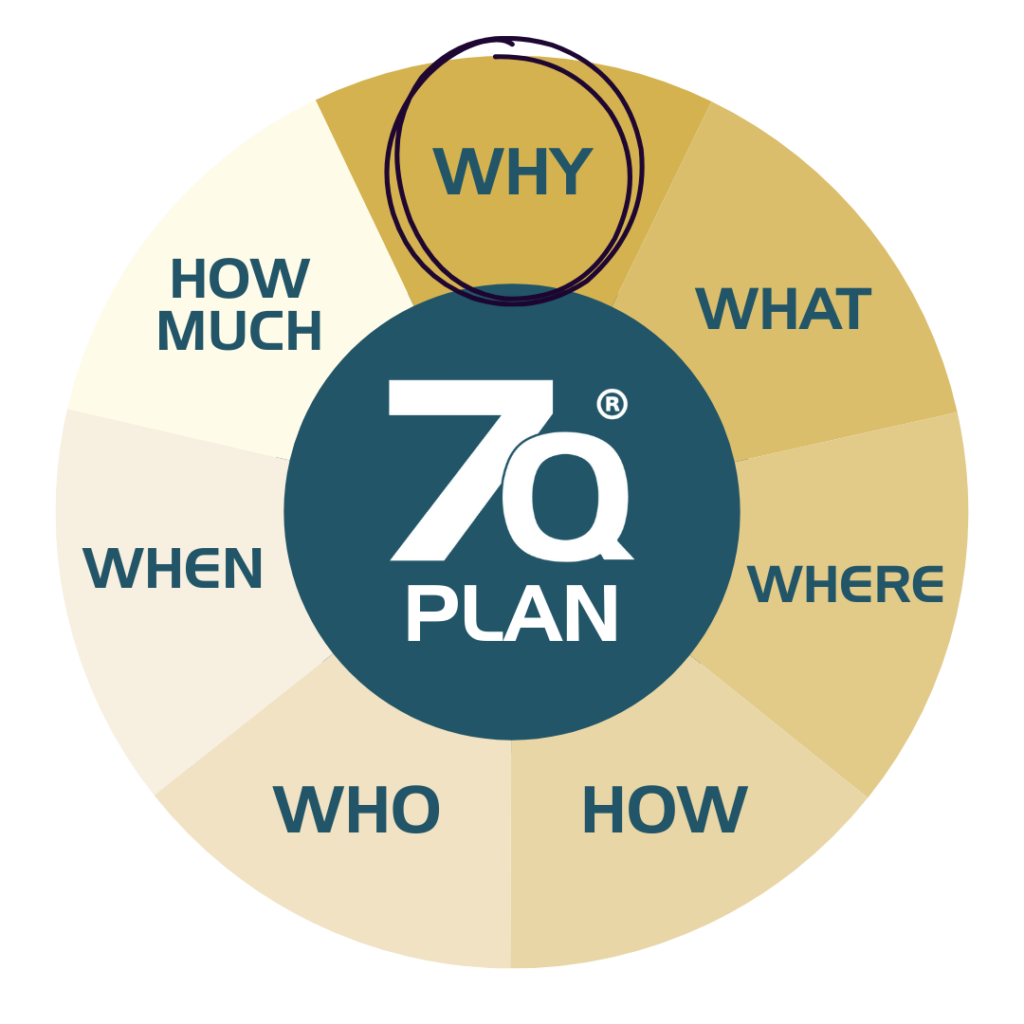
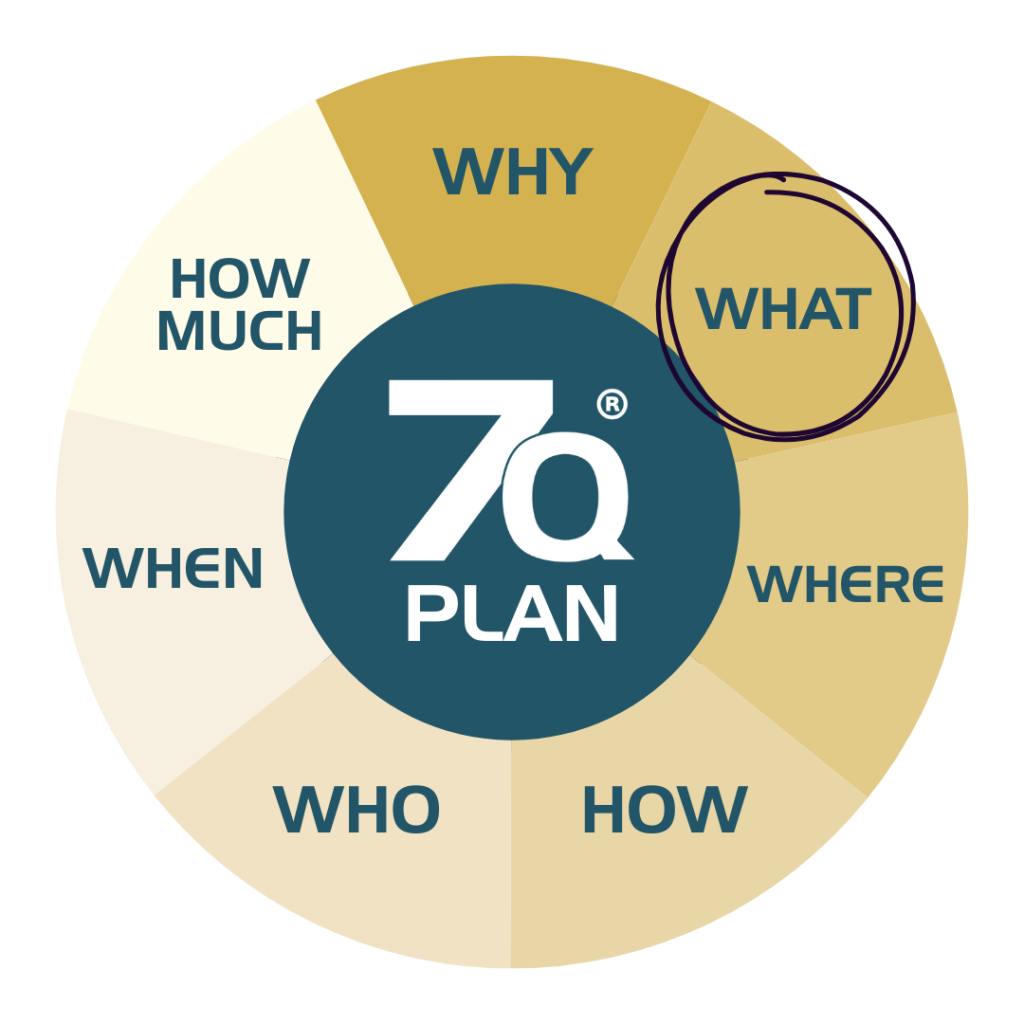
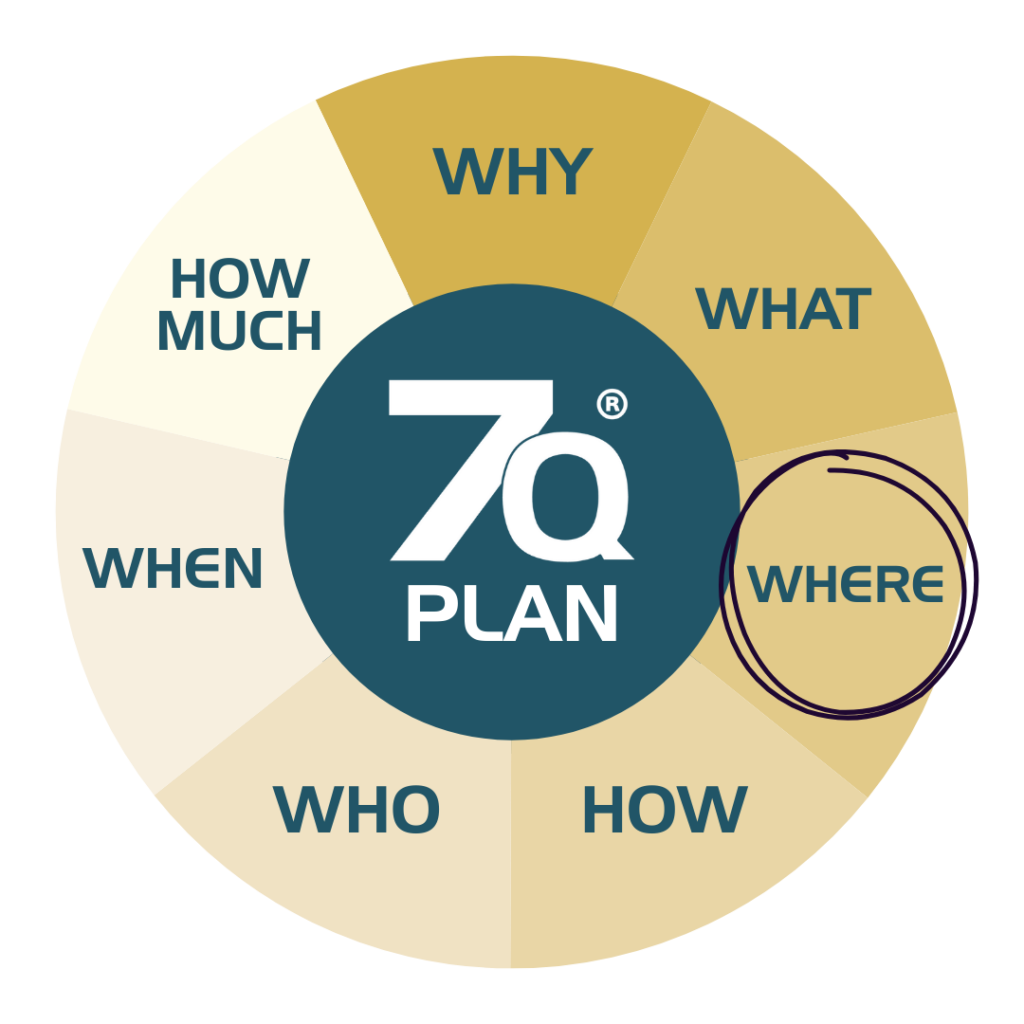
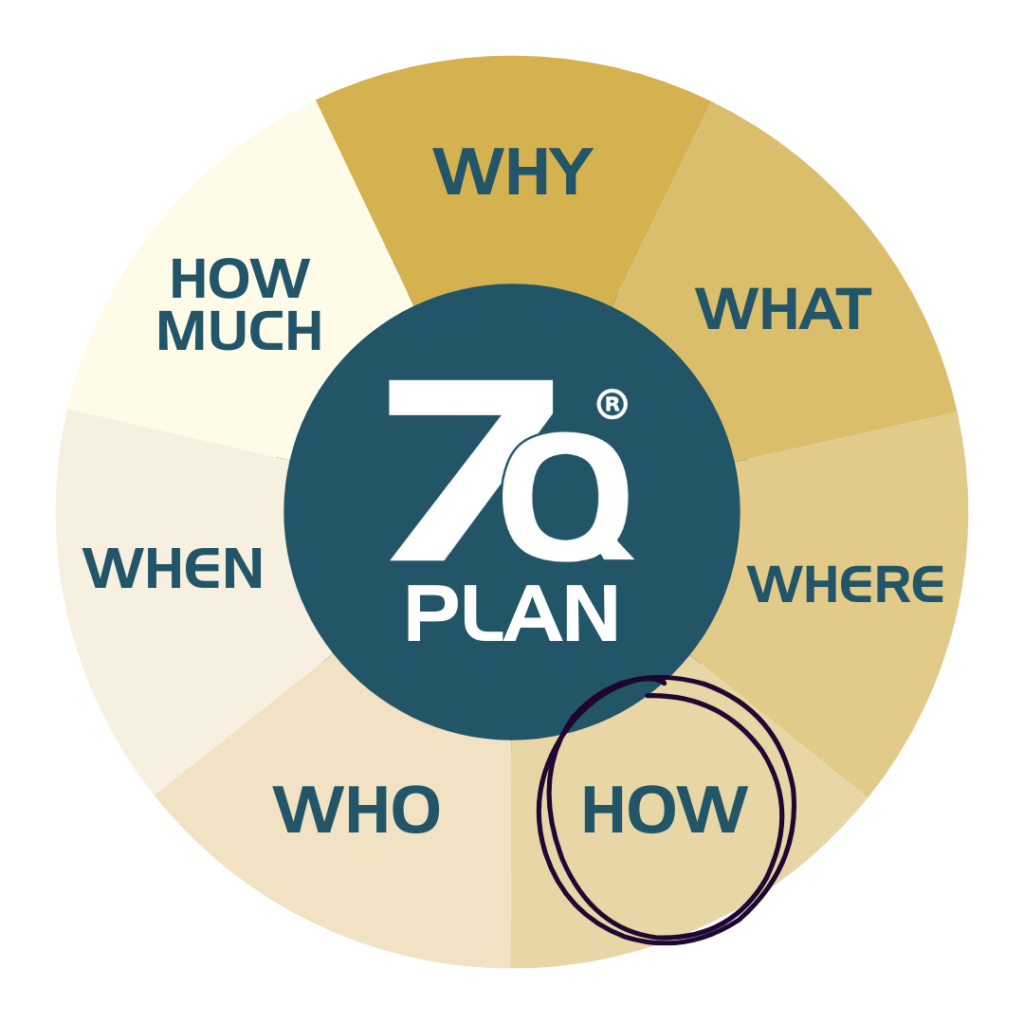
At 7Q, the approach is deliberately simple. It starts by returning to the seven questions that define any plan: WHY, WHAT, WHERE, HOW, WHO, WHEN and HOW MUCH, and making sure they are still answered clearly and consistently.
Not just at the start, but as the programme progresses.
Because if those answers are no longer aligned, increasing activity will not improve the outcome. It will only make the misalignment harder to see.
1. Re-establish why the programme exists (WHY)
Start with purpose.
- Why does this programme exist?
- What benefit is it expected to deliver?
If this is not clear or is interpreted differently across the business, everything that follows becomes unstable.
2. Clarify what is actually being delivered (WHAT)
Define scope in practical terms.
- What is in scope?
- What is not?
- What has changed?
Where scope has evolved, expectations must evolve with it. If they do not, delivery and outcome begin to diverge.
3. Be explicit about where the programme applies (WHERE)
Programmes often extend across multiple teams, systems, or markets.
Clarify:
- Where delivery is happening?
- Where outcomes are expected?
Lack of clarity here creates gaps between teams and locations, particularly in complex engineering organisations.
4. Align on how the work is being executed (HOW)
Step back and examine the approach to delivery.
- How is the work structured?
- How are dependencies managed?
- How is progress tracked?
If the method of execution is unclear or inconsistent, reporting will not reflect reality.
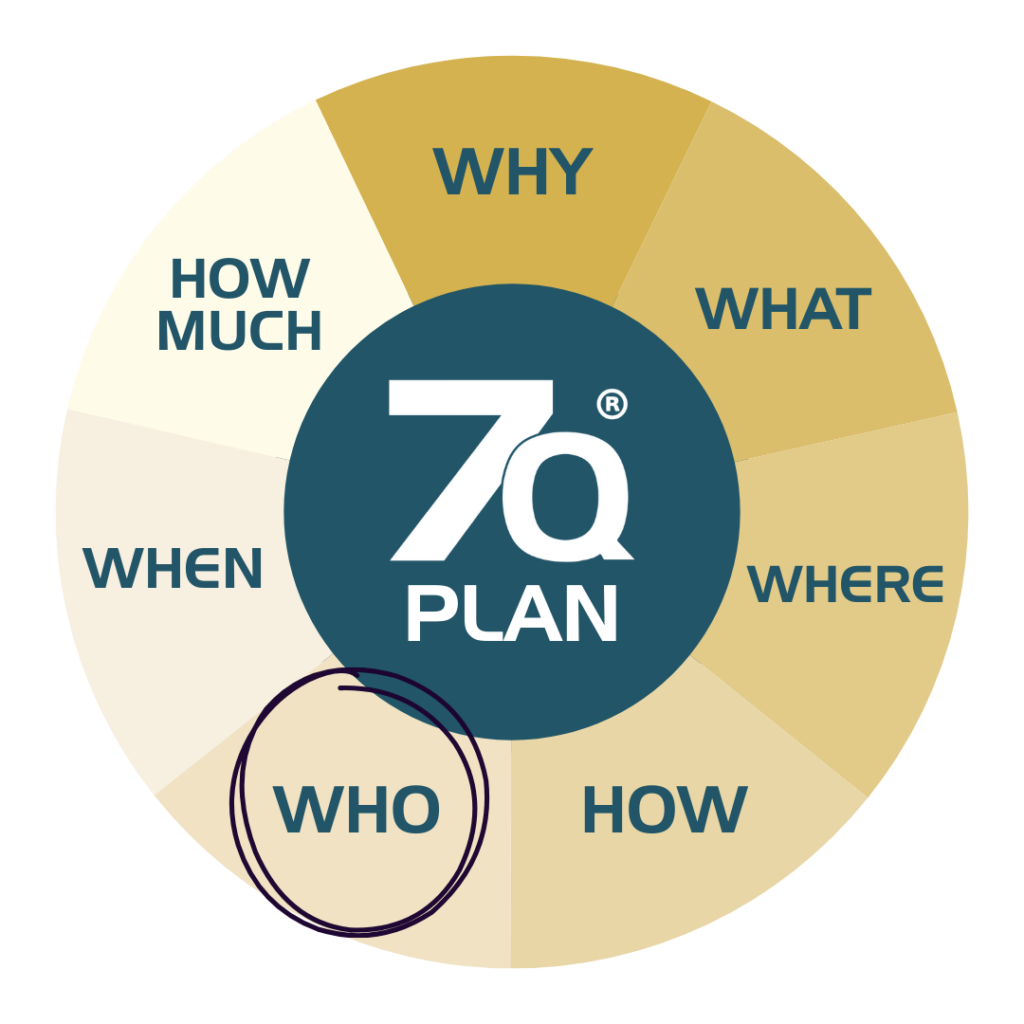
5. Define who is accountable (WHO)
Ownership must be clear at the level of outcomes, not just tasks.
- Who is responsible for delivery?
- Who owns each outcome?
Clear accountability shortens the time between identifying an issue and resolving it.
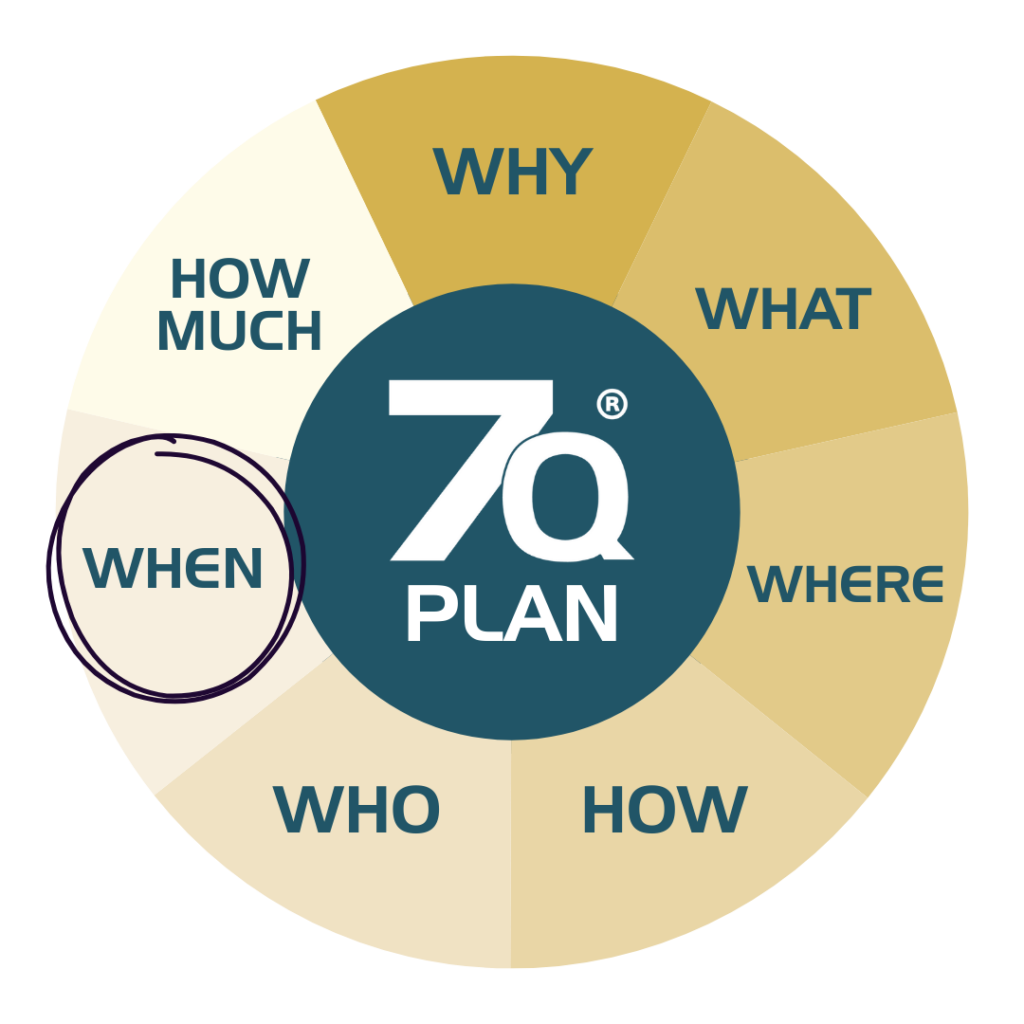
6. Schedule when outcomes are expected (WHEN)
Timelines need to reflect delivery reality.
- When will each outcome be delivered?
- What assumptions sit behind those timelines?
If timing is set without a clear link to capability and ownership, delays are built in from the start.
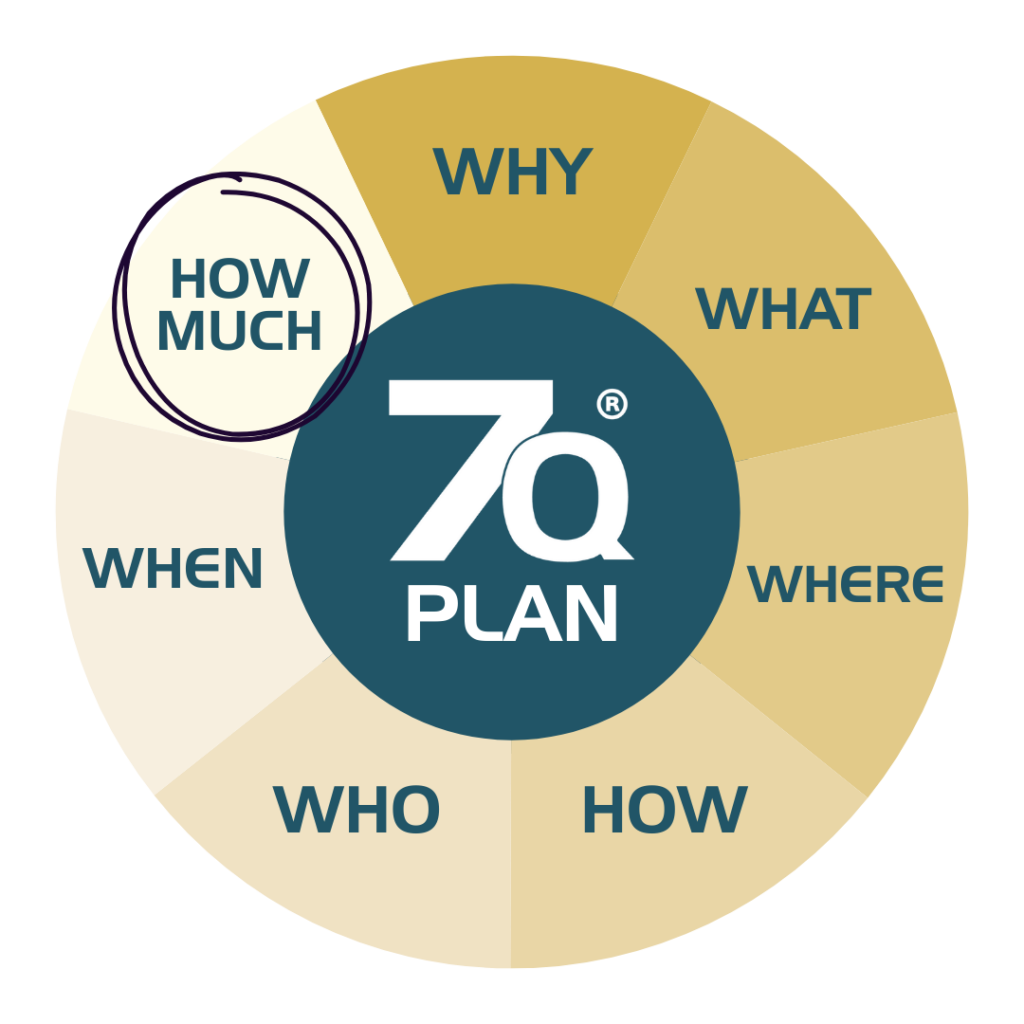
7. Forecast costs, define how much is being committed (HOW MUCH)
Cost and resource should follow from the decisions above.
- How much capital is being allocated?
- Where effort is being focused?
If spend continues without a clear link to outcome, it usually indicates that earlier decisions have not been fully tested.
Bringing it back under control
In practice, most teams do not need more frameworks or more process. They need consistency.
They need to be working from the same answers, and those answers need to be maintained as decisions are made and conditions change.
Bringing a programme back under control is usually less about introducing something new and more about restoring clarity to what should already be in place.
When that clarity exists, decisions become easier, trade-offs are understood earlier, and delivery can be aligned back to the value the programme was intended to create.
Without it, effort can continue to increase without improving control.
When alignment breaks down, 7Q steps IN
The symptoms described in this article are surprisingly common in complex engineering programmes. Activity continues, but alignment is lost and value becomes harder to realise.
7Q works with boards, CEOs, and investors to bring those programmes back under control. Our approach focusses on ensuring there are clear, consistent answers to the seven questions that determine whether a plan will hold together.
By aligning delivery with commercial outcomes, we help engineering organisations regain control where performance, visibility, or confidence has started to drift.
If these signs feel familiar, the issue is unlikely to resolve itself.
Get in touch with 7Q today to bring clarity, alignment, and control back to your engineering programme.